
"coffee linguistics"
130 article(s) found
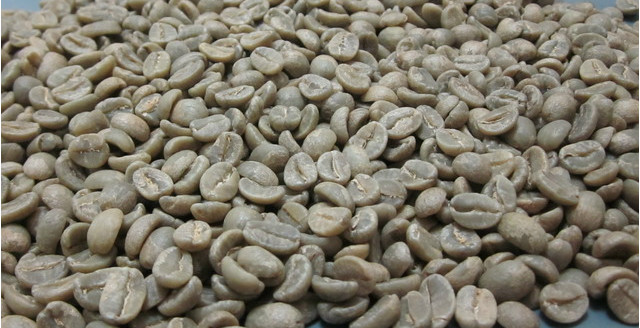
Ethiopia sun Yega Xuefei AdadoGuido Gedeo producing area G1 grade coffee ripe beans
Adado (Adoto) is an amazing trace producing area of Yega Xuefei. When you open the bag, the air is filled with a lot of blueberry and vanilla aroma, after baking and grinding release, the aroma will explode again, this is a veritable blueberry bomb. The first rich blueberry flavor is accompanied by a hint of well-balanced acidity, a typical sunny coffee. The cup is sweet, full of softness and fineness

Ethiopia Solar Yega Chuefei Fine Coffee Raw beans unbaked Adado Adorto G1 Raw beans
Adado (Adoto) is an amazing trace producing area of Yega Xuefei. When you open the bag, the air is filled with a lot of blueberry and vanilla aroma, after baking and grinding release, the aroma will explode again, this is a veritable blueberry bomb. The first rich blueberry flavor is accompanied by a hint of well-balanced acidity, a typical sunny coffee. The cup is sweet, soft and delicate.

The origin of coffee beans coffee practice introduction
Legends about the origins of coffee vary, but most of them are forgotten because of their absurdity. However, it should not be forgotten that Africa is the home of coffee. Coffee trees were most likely discovered in Ethiopia's KAFFA province. Later, groups of slaves were sold from Africa to Yemen and Arabia, and coffee was taken to various places along the way. may

The Discovery and spread of Coffee how was coffee discovered?
How was coffee discovered? When people taste mellow coffee, they can't help but ask such questions. According to Roth de Neroy (1613-1707), a Roman linguist, about the sixth century AD, an Arab shepherd named Caldai was very excited and excited to see every goat when he went to graze on the grasslands of Ethiopia. It made him weird.

What is the good brand of Yejia Chefe Coffee | Yega Chefe G1 Cochel Town Corey Bai Mi Sobiya
Professional coffee knowledge exchange more coffee bean information please follow the front street of the coffee workshop (Wechat official account cafe_style)-washed Jega Chefe G1 Cochel Town Corey processing Plant Bai Mi G1 introduced that in 1995, Ethiopia redivided the area, and the Yirgacheffe as we are familiar with it is planned in the Gedeo district in the new SNNPR. Currently Yega Xuefei is located in Gede.

Flavor and taste of coffee beans in Laos introduction to the varieties of grinding scale by regional treatment method
The production of Laos coffee beans is not large. Except for self-selling Arabica, almost all of them are sold to France, a relationship that has not changed since colonial times. Obviously, after the French left, the Laotians didn't know how to sell coffee. Robusta coffee is exported, sold to Thailand, went to Nestl é, maybe this is Thailand Nestle coffee is particularly delicious.

A small coffee shop in a big school
Living near Shangda, he once complained that if he wanted a good cup of coffee or asked for a place with a strong capitalist flavor, he had to go far away.

Introduction to the taste treatment method of flavor description in Ethiopian coffee origin and producing area
Ethiopian coffee origin characteristics flavor description taste treatment method A coffee tree usually takes about three to four years to grow before it begins to bear fruit, with red berries and a small number of yellow berries. After drying and removing the pulp, the coffee beans can be separated. There are shadows of coffee beans all over the world, and as long as the climate is right, it can grow as usual.

Coffee book recommendation: the first Chinese coffee history book "Chinese Coffee History"
With the arrival of the third wave of coffee, domestic coffee enthusiasm is also rising. Coffee shops one after another, in the streets and commercial centers, coffee consumers, enthusiasts and baristas are increasingly tracing the origins of coffee and doing everything they can to understand it. In the bookstore and online, there are all kinds of coffee books, including coffee tasting and coffee making teaching.

The Origin of Coffee History several legends about the origin of coffee
The origin of coffee: where does the word coffee come from? some people think that it comes from a region called Kaffa (caffa) in Ethiopia, which sounds similar to coffee. However, the early inhabitants of the Kaffa region called coffee Djimmas, and the Arab world did not use Kaffa to represent coffee, so this is likely to be a phonetic aphorism for Westerners. The early Arabs used to

How did the name of coffee come from?
It starts with the Ethiopian legend of the 5th century AD, when the sheep of the shepherd boy Kadi was so excited after eating a strange red fruit that Kadi and his companions could not help but give it a try, feeling refreshed and weary. Spread ten, ten hundred, this red fruit has since become a part of the local food culture, this red fruit is coffee. After that, coffee was introduced into Arabia.

Coffee Culture Common sense Coffee and Tea infiltrate Culture
In the long journey of looking for coffee, we can feel the countless romance of people's enthusiasm and adventure, and these beautiful legends will continue to be handed down, because it bears a kind of emotion and will. it is also a deep-rooted historical reflection in the concept of humanities. There is an interesting and plausible legend that the discovery of coffee benefited from animals. About five hundred

The Origin of Coffee beans the treatment of coffee beans
The origin of coffee: where does the word coffee come from? some people think that it comes from a region called Kaffa (caffa) in Ethiopia, which sounds similar to coffee. However, the early inhabitants of the Kaffa region called coffee Djimmas, and the Arab world did not use Kaffa to represent coffee, so this is likely to be a phonetic aphorism for Westerners. The early Arabs used to

An introduction to the Culture of Coffee the origin of the legend the brewing mode of fine coffee
Africa is the hometown of coffee. Coffee trees are probably the coffee culture found in Ethiopia's KAFFA province. Later, batches of slaves were sold from Africa to Yemen and the Arabian Peninsula, and coffee was taken everywhere along the way. To be sure, Yemen started growing coffee in the 15th century or earlier. Although Arab

Soft, delicate floral Yerga Shefi Adot Flavor, character, taste and estate introduction
Choose fresh coffee beans. Pay attention to whether the color and particle size of the beans are consistent when purchasing. Good coffee beans have a bright and shiny appearance, and have a strong aroma without mixing odors. No matter what kind of coffee beans, freshness is an important factor affecting quality. When purchasing, grab one or two coffee beans and chew them in your mouth. It should be crisp and sound (indicating that the coffee is not wet).

A brief introduction to the Market Price of soft Yega Chuefei Adoto Coffee Variety
Country: Ethiopia Grade: G1 production area: Guido Gedeo altitude: 1900-2100 m treatment: sun varieties: native species Heirloom producer: Adado Cooperative Flavor: blueberry, Honey, Purple Fruit, Citrus-tinged Adado (Adoto) is an amazing trace production area. When you open the bag, the air is filled with blueberries and vanilla.

How did the name of coffee come from?
It starts with the Ethiopian legend of the 5th century AD, when the sheep of the shepherd boy Kadi was so excited after eating a strange red fruit that Kadi and his companions could not help but give it a try, feeling refreshed and weary. Spread ten, ten hundred, this red fruit has since become a part of the local food culture, this red fruit is coffee. After that, coffee was introduced into Arabia.

Soft blueberry and vanilla Yega Chuefei Adoto flavor, characteristics, taste and manor introduction
With fresh coffee beans. When buying, pay attention to whether the color of the beans and the size of the particles are the same. Good coffee beans are shiny and have a strong aroma without being mixed with peculiar smell. No matter what kind of coffee beans, freshness is an important factor affecting the quality. When shopping, grab one or two coffee beans and chew them in your mouth with crisp sound (indicating that the coffee is not damp) and teeth and cheeks.

The origin of coffee several legends about the origin of coffee in history
The origin of coffee: where does the word coffee come from? some people think that it comes from a region called Kaffa (caffa) in Ethiopia, which sounds similar to coffee. However, the early inhabitants of the Kaffa region called coffee Djimmas, and the Arab world did not use Kaffa to represent coffee, so this is likely to be a phonetic aphorism for Westerners. The early Arabs used to
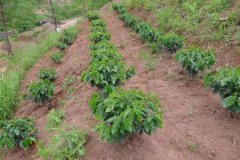
A brief introduction to the Market Price of Indian Coffee Bean
In the 19th century, American anthropologist Morton and Argentine paleontologist Amegino put forward the idea that Indians originated in America. However, this theory is simply untenable, because until now, no ape-man fossils representing human evolution have been found in the American continent, and archaeological data have proved that there are only monkeys and no apes in America. So where did the Indians come from?